

This article explains what is TPU leather, how it differs from PU leather, its material structure, applications, and relevant trade considerations.
1. What Is TPU Leather?
What is TPU leather?
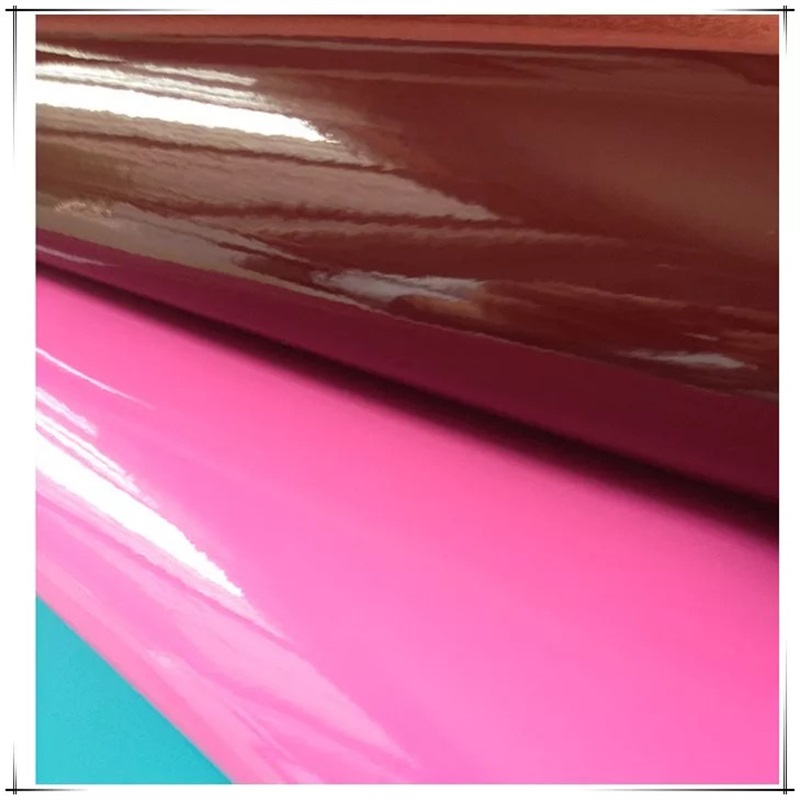
TPU leather is a type of synthetic leather made by coating or laminating TPU (Thermoplastic Polyurethane) onto a fabric base. The result is a flexible, durable, and high-performance TPU leather material that closely resembles genuine leather in appearance and texture.
Unlike traditional PU leather, TPU leather offers:
-
Higher elasticity
-
Better abrasion resistance
-
Improved temperature resistance
-
Enhanced environmental performance
Because of these properties, TPU artificial leather is increasingly used in demanding applications.
2. TPU Leather Material Structure
A typical TPU leather material consists of three layers:
-
Surface TPU layer
Provides wear resistance, waterproofing, and texture. -
Adhesive or bonding layer
Ensures strong attachment between layers. -
Fabric base
Usually polyester, microfiber, or nonwoven fabric for structural support.
This layered construction gives TPU synthetic leather excellent mechanical strength and flexibility.
3. TPU Leather vs PU Leather
The comparison between TPU PU leather and traditional PU leather is an important topic in material selection.
| Feature | TPU Leather | PU Leather |
|---|---|---|
| Elasticity | Excellent | Moderate |
| Abrasion Resistance | High | Medium |
| Cold Resistance | Very good | Limited |
| Environmental Impact | Lower VOC | Higher VOC |
| Service Life | Longer | Shorter |
PU leather TPU combinations are also available, where TPU is used as a top layer to enhance the durability of standard PU substrates.
4. TPU Synthetic Leather vs TPU Artificial Leather
In practice, TPU synthetic leather and TPU artificial leather refer to the same category of material. Both terms describe man-made leather products produced using TPU coatings instead of animal hide.
Key benefits include:
-
Animal-free production
-
Consistent quality
-
Customizable texture and color
-
Stable performance in mass production
These advantages make TPU leather popular in export-oriented manufacturing.
5. Applications of TPU Leather
5.1 Footwear Industry
PU leather shoe manufacturers increasingly use TPU leather for:
-
Shoe uppers
-
Athletic footwear
-
Casual and outdoor shoes
TPU leather improves flexibility, wear resistance, and comfort, especially in high-movement areas.
5.2 Furniture and Upholstery
-
Sofas and chairs
-
Office seating
-
Public space furniture
TPU leather provides easy cleaning and long-term durability.
5.3 Automotive Interiors
-
Seat covers
-
Door panels
-
Armrests
Its abrasion resistance and temperature stability make it suitable for automotive environments.
5.4 Bags and Accessories
-
Handbags
-
Backpacks
-
Wallets
TPU synthetic leather allows creative designs without sacrificing strength.
6. TPU PU Leather and Hybrid Solutions
TPU PU leather products combine the cost efficiency of PU with the performance advantages of TPU. In these materials:
-
PU forms the base layer
-
TPU is applied as the surface coating
This hybrid approach balances cost, durability, and aesthetics, making it popular in mid-to-high-end consumer goods.
7. Environmental and Sustainability Advantages
Compared to PVC and traditional PU leather, TPU leather material offers:
-
Lower solvent usage
-
Reduced VOC emissions
-
Better recyclability
-
Longer product lifespan
These characteristics align with global sustainability requirements and eco-friendly manufacturing standards.
8. PU Synthetic Leather HS Code Explained
For international trade, understanding the PU synthetic leather HS code is essential. Synthetic leather products, including PU and TPU-based materials, are generally classified under HS codes related to plastic-coated fabrics.
The exact PU synthetic leather HS code may vary depending on:
-
Coating material (PU or TPU)
-
Base fabric type
-
Thickness and usage
Correct HS classification helps avoid customs delays and ensures accurate duty calculation.
9. How to Choose the Right TPU Leather Material
When selecting TPU leather, consider:
-
End-use application
-
Required abrasion resistance
-
Flexibility and thickness
-
Environmental compliance
-
Budget and production volume
For footwear, especially PU leather shoe production, TPU-coated materials often deliver better long-term performance.
TPU leather, including TPU synthetic leather and TPU artificial leather, represents a modern, high-performance alternative to traditional PU leather. With superior durability, flexibility, and environmental advantages, TPU leather material is increasingly used across footwear, furniture, automotive, and fashion industries.